
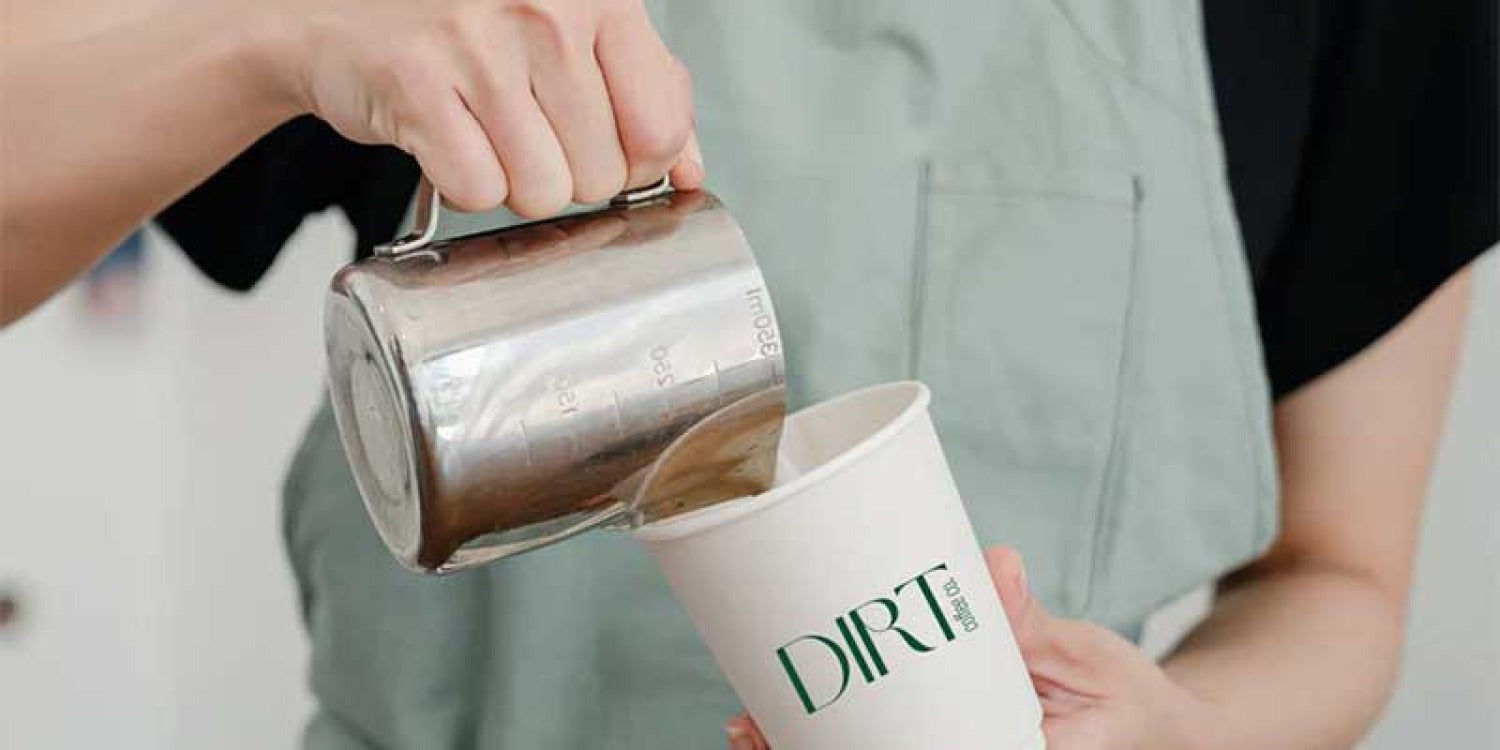
DMH Brands is betting that lower startup costs, affordable rents, and hands-on franchise support can fuel Dirt Coffee's ambitious nationwide expansion.
- Dirt Coffee opens its first London site with plans for 100 more.
- The investment for the Hornsey franchise totaled £95,000, a fraction of competitors' costs.
- DMH Brands founder claims lower costs are linked to higher transaction volumes.
Dirt Coffee has launched an ambitious expansion strategy that aims to establish 100 franchise locations across the United Kingdom within the next three to four years. The concept's first location in Hornsey, North London, serves as the blueprint for a business model designed to lower the financial barriers traditionally associated with opening a specialty coffee shop while maintaining full operational support for franchise owners.
Founded by DMH Brands, Dirt Coffee positions itself as an alternative to conventional coffee franchises by significantly reducing startup costs. Founder David Hodgetts said a typical franchise investment begins at approximately £95,000, covering franchise fees, equipment, and setup costs, while annual rent for the Hornsey location is around £14,000. According to the company, those figures are substantially lower than many competing coffee franchise concepts, allowing operators to enter the market with a more accessible investment.
The first franchise is operated by partners Zakhir and Khurram, who received support throughout the development process, including site selection, store setup, operational guidance, and marketing. Rather than focusing exclusively on premium high street locations, Dirt Coffee believes carefully selected neighborhood sites can deliver strong customer traffic while keeping occupancy costs under control. Early trading performance at the Hornsey café has reinforced the company's confidence in that strategy.
As franchise systems expand rapidly, maintaining consistency across locations becomes increasingly important. Gorilla Dash helps growing franchise networks centralize operating procedures, training materials, and brand documentation through its Knowledge Base, giving franchisees one place to access the resources needed to operate consistently as new stores join the system. Standardized information becomes especially valuable for emerging brands focused on scaling efficiently while preserving customer experience.
For Dirt Coffee, the Hornsey café represents more than the opening of a single neighborhood coffee shop. It serves as the foundation for an expansion strategy built on affordability, operational discipline, and franchise support. If the model continues to perform as expected, the company could establish itself as a distinctive challenger in the UK's highly competitive coffee franchise market by proving that sustainable growth does not necessarily require premium locations or premium investment costs.
Key Facts:
| Franchise Investment Cost | The Hornsey franchise partner's total investment came to approximately £95,000, including franchise fees. |
|---|---|
| Annual Rent | The annual rent for the Hornsey site is set at £14,000. |
| Founder Statement | DMH Brands founder David Hodgetts highlighted that their costs are significantly lower than competitors. |
| Transaction Volume | The Hornsey site is outperforming competitor brands on transaction volumes. |
| Full Setup Process | DMH Brands handled the entire setup process for the Hornsey franchise, including property sourcing and marketing. |
| Future Expansion Plans | Dirt Coffee plans a franchise rollout targeting 100 UK sites within the next three to four years. |
Disclaimer:
If any facts in our articles are incorrect or you would like an article removed please email us at news@gorilladash.com.


