Barrio Burrito Bar has added Nevada to its U.S. expansion map with a new master franchise agreement that calls for 32 restaurants over the next 20 years. The agreement with Yamini Patel pushes the brand past 1,624 contractually committed franchise units in the United States, adding another major territory to a development strategy built around master franchise partnerships.
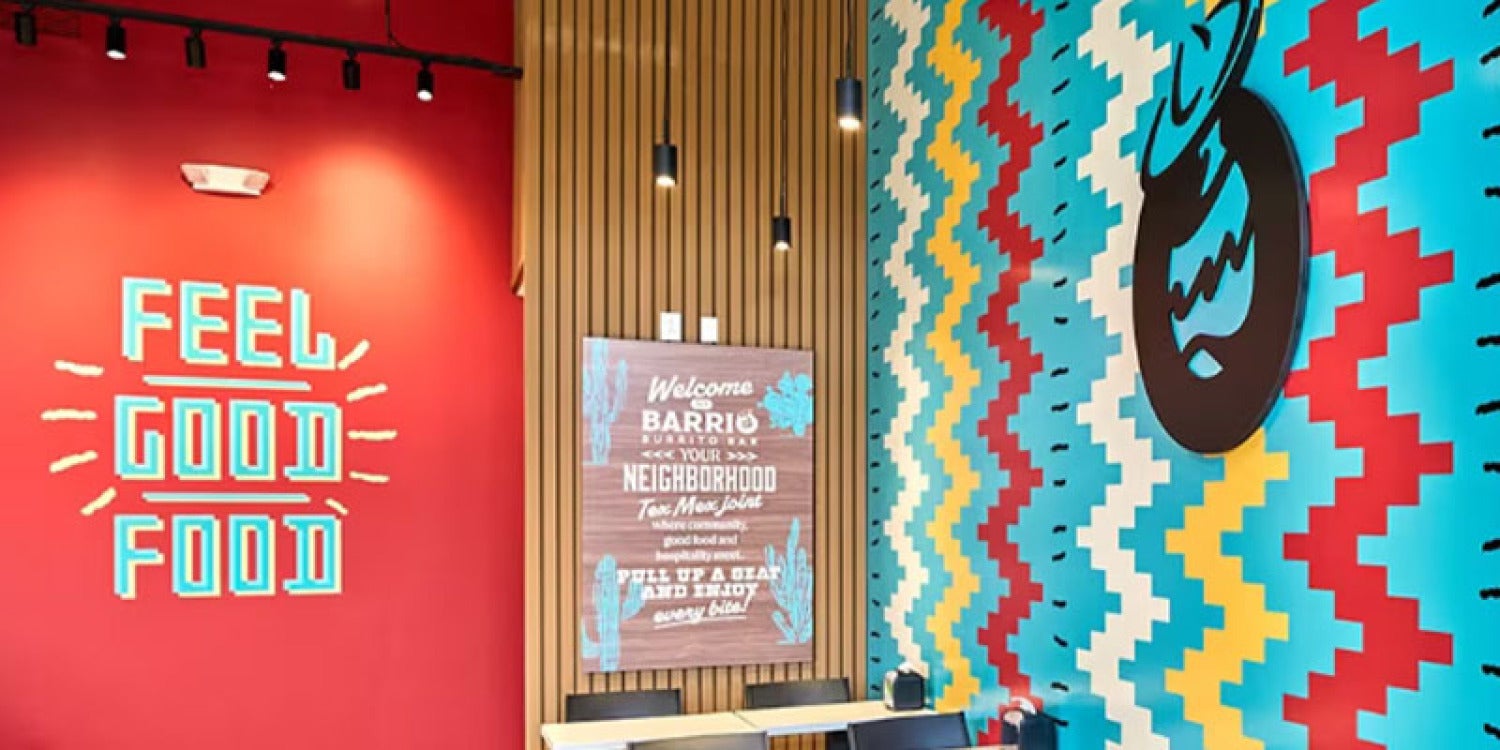
The latest agreement builds on a U.S. growth strategy that began after the brand entered the market in 2020 under the BURRITOBAR name. The concept rebranded as Barrio Burrito Bar in 2024, introducing a new visual identity and updated restaurant design while maintaining its focus on fresh Tex-Mex cuisine, customizable meals and bold menu items such as Bang-Bang Shrimp, Crunchy Chicken and Extreme Fries.
The company has also continued adding restaurants as it expands its network. Four new locations have opened in Collingdale, Pennsylvania; Lebanon, Tennessee; Allen, Texas; and Bridgewater, New Jersey. The openings represent the first Barrio Burrito Bar restaurant in Pennsylvania and New Jersey, the second in Tennessee and the second in Texas, giving the brand additional footholds in markets covered by its broader development strategy.
The master franchise model is central to that expansion. Chief Development Officer Jeff Young said the program allows partners to develop and manage territories while sharing franchise fees and ongoing royalties. As more territories and locations are added, maintaining visibility across the network becomes increasingly important. Gorilla Dash offers a Benchmarking feature that can help franchise organizations compare performance across locations and identify operational trends as their systems grow.
Barrio Burrito Bar's U.S. expansion follows the development of its Canadian affiliate, barBURRITO, which opened its first restaurant in Toronto in 2005 and has grown to more than 400 locations across Canada. With Nevada now added to an expanding roster of U.S. master franchise territories, the brand is continuing to use a territory-based model to pursue growth across the country while adding new restaurants at the local level.